
Introduction
The poultry industry has become one of the most important agricultural sectors worldwide. Many people searching for farming-related information often look for the term poultry meaning in urdu to better understand the industry and its significance. Whether you are a student, farmer, entrepreneur, or someone interested in agriculture, learning the poultry meaning in urdu can help you gain valuable knowledge about poultry farming and modern bird management systems.
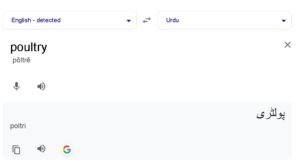
In Urdu, the term poultry is commonly translated as “مرغ بانی” or “مرغیوں اور دیگر گھریلو پرندوں کی پرورش”. Poultry refers to domesticated birds raised for eggs, meat, or other commercial purposes. These birds typically include chickens, ducks, turkeys, quails, and other farm-raised birds.
Today, poultry farming has evolved significantly. Modern poultry farms use advanced housing systems, including layer poultry cages, to improve productivity and ensure efficient farm management.
What is Poultry Meaning in Urdu?
The phrase poultry meaning in urdu refers to the Urdu explanation of poultry, which describes the practice of raising domesticated birds for commercial and household purposes.
Poultry is an essential part of the agricultural economy because it provides:
- Fresh eggs
- Chicken meat
- Employment opportunities
- Agricultural income
- Food security
Therefore, understanding the poultry meaning in urdu is important for anyone interested in agriculture or livestock farming.
Importance of Poultry Farming
Poultry farming has become a major source of food production around the world. As populations continue to grow, the demand for eggs and poultry meat also increases.
Moreover, poultry farming offers several advantages:
Fast Return on Investment
Compared to many agricultural businesses, poultry farming generates returns relatively quickly. Chickens grow rapidly, while layer hens begin producing eggs within a few months.
Affordable Startup Costs
Small-scale poultry farms can be established with limited investment. As a result, many new farmers choose poultry farming as their first agricultural venture.
Continuous Income
Unlike seasonal crops, poultry farms can generate income throughout the year through egg and meat production.
Growing Market Demand
The consumption of poultry products continues to rise globally. Consequently, poultry farming remains a profitable industry for many entrepreneurs.
Types of Poultry Birds
When discussing poultry meaning in urdu, it is helpful to understand the common types of poultry birds raised commercially.
Chickens
Chickens are the most widely farmed poultry birds worldwide. They are raised for both meat and egg production.
Ducks
Ducks are valued for their meat, eggs, and adaptability to different farming environments.
Turkeys
Turkeys are primarily raised for meat and are popular in various international markets.
Quails
Quail farming has gained popularity because of its low maintenance requirements and nutritious eggs.
Geese
Geese are raised for meat, feathers, and breeding purposes in certain regions.
Role of Poultry Cages in Modern Farming
Modern poultry farming relies heavily on efficient housing systems. Poultry cages play a critical role in maintaining bird health, productivity, and cleanliness.
Layer poultry cages are specially designed to house egg-laying hens. These cages provide a controlled environment where birds can be managed efficiently.
Some key benefits include:
Improved Hygiene
Poultry cages help separate birds from waste, reducing disease risks and maintaining a cleaner environment.
Better Egg Collection
Eggs roll into designated collection areas, minimizing breakage and improving efficiency.
Efficient Feeding Systems
Modern cages support organized feeding and watering systems, reducing feed wastage.
Higher Productivity
Birds remain healthier and more comfortable, leading to better egg production rates.
Therefore, poultry cages have become an essential component of successful poultry operations.
Poultry Farming and Economic Growth
The poultry industry contributes significantly to economic development. It creates jobs in farming, transportation, feed manufacturing, veterinary services, and equipment production.
Furthermore, poultry farming supports rural communities by providing sustainable income opportunities. As a result, governments and agricultural organizations often encourage poultry-related investments.
Understanding the poultry meaning in urdu can help individuals recognize the economic importance of this growing sector.
Modern Technologies in Poultry Farming
Technology has transformed poultry farming dramatically over the past few decades.
Today, farmers use:
- Automated feeding systems
- Automatic watering systems
- Layer poultry cages
- Climate-controlled poultry houses
- Egg collection equipment
- Health monitoring systems
These innovations improve bird welfare while increasing overall farm productivity.
Additionally, technological advancements help farmers reduce labor costs and maximize efficiency.
Challenges in Poultry Farming
Although poultry farming offers many benefits, farmers also face several challenges.
Disease Management
Bird diseases can spread quickly if proper biosecurity measures are not maintained.
Feed Costs
Feed expenses represent a significant portion of poultry farming costs.
Environmental Conditions
Extreme weather conditions can impact bird health and productivity.
Market Competition
Farmers must continuously improve quality and efficiency to remain competitive.
However, with proper planning and management, these challenges can be effectively addressed.
Why Poultry Farming Remains Popular
Poultry farming continues to attract new investors because of its profitability and scalability. Whether operating a small backyard setup or a large commercial facility, poultry farming offers flexible opportunities for growth.
Moreover, consumer demand for poultry products remains strong. Therefore, poultry farming continues to be one of the most reliable agricultural businesses worldwide.
The increasing use of advanced poultry cages, improved breeding techniques, and modern management systems further strengthens the industry’s future prospects.
Conclusion
The poultry meaning in urdu refers to the breeding and raising of domesticated birds such as chickens, ducks, turkeys, and quails for eggs and meat production. Poultry farming plays a vital role in food production, employment generation, and economic development.
Modern poultry farms depend on advanced housing solutions such as layer poultry cages to improve productivity, maintain hygiene, and ensure efficient management. By understanding the poultry meaning in urdu, individuals can better appreciate the importance of this industry and the opportunities it offers for sustainable agricultural growth.
Frequently Asked Questions (FAQs)
What is poultry meaning in urdu?
The poultry meaning in urdu is “مرغ بانی” or the practice of raising domesticated birds for eggs, meat, and commercial purposes.
Which birds are included in poultry?
Poultry includes chickens, ducks, turkeys, quails, geese, and other domesticated birds raised on farms.
Why is poultry farming important?
Poultry farming provides food, employment, income opportunities, and supports economic growth.
What are poultry cages used for?
Poultry cages are used to house birds safely, improve hygiene, simplify management, and increase productivity.
What is a layer poultry cage?
A layer poultry cage is a specially designed housing system used for egg-laying hens to maximize egg production and farm efficiency.
Is poultry farming profitable?
Yes. Poultry farming can be highly profitable when proper management, nutrition, housing, and health practices are followed.