
Introduction:
Pakistan’s poultry sector has become one of the country’s most dynamic agricultural industries, contributing significantly to food security and rural employment. Among its various segments, layering farming stands out as a highly profitable venture due to the consistent demand for eggs throughout the year. However, successful layer chicken production requires much more than purchasing birds and waiting for results. It demands strategic planning, proper housing systems, nutrition management, and a strong understanding of bird welfare and productivity.
Understanding the Importance of Modern Layer Farming
The growing population and increasing awareness of affordable protein sources have strengthened the demand for eggs across Pakistan. This demand has encouraged poultry farmers to adopt more efficient production methods. Modern farming layers operations focus on maximizing egg output while maintaining bird health and reducing operational costs.
Unlike traditional backyard systems, commercial layer farming relies on controlled environments and scientifically designed management practices. Every aspect, from feeding schedules to ventilation, directly influences productivity and profitability.
Why Housing Systems Matter in Layer Chicken Production
Housing is one of the most critical factors in layer poultry management. Poor housing conditions can lead to stress, disease outbreaks, reduced egg production, and higher mortality rates.
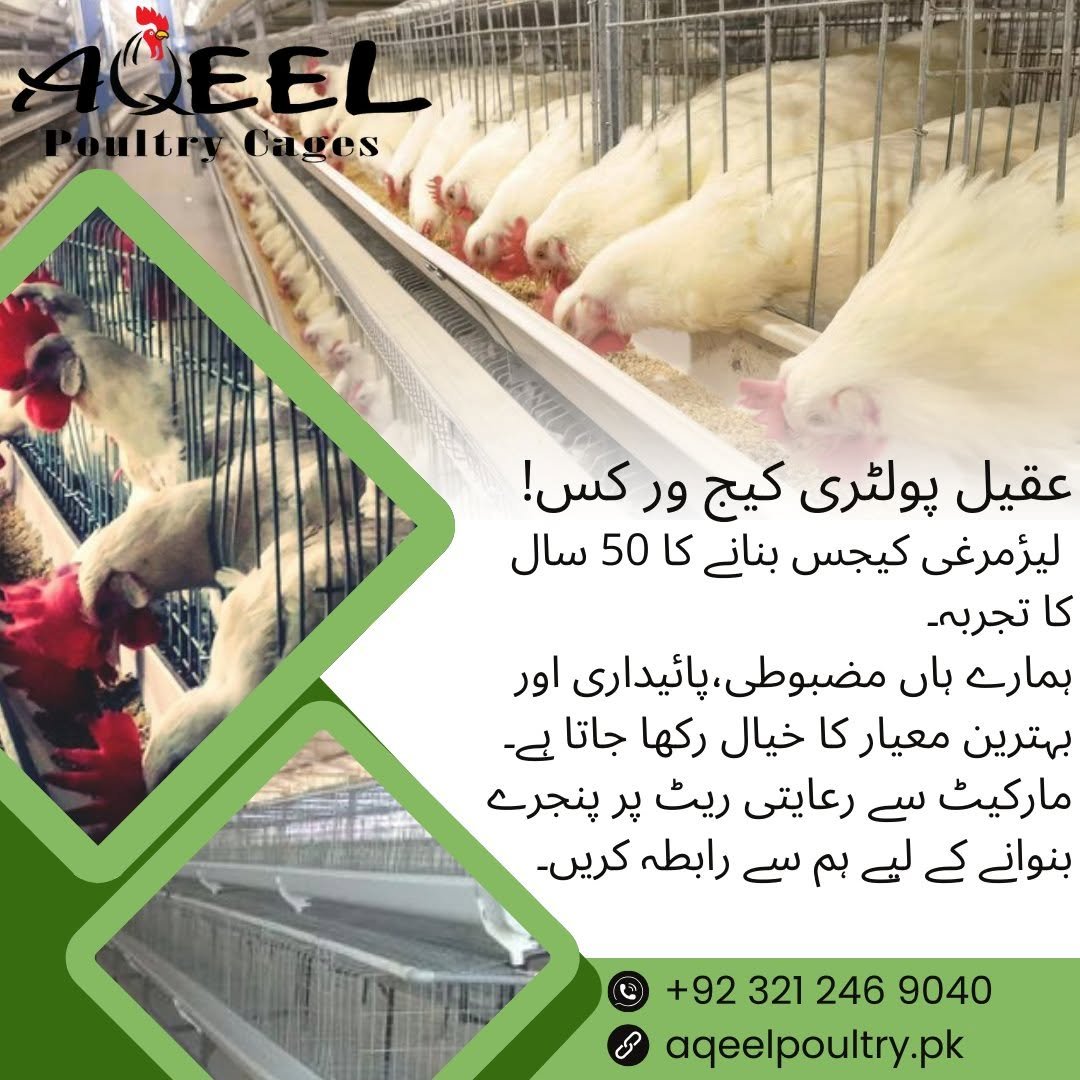
Modern layer poultry cages have transformed commercial poultry farming by providing a cleaner and more organized production environment. Birds remain protected from excessive contact with manure, feed wastage is minimized, and egg collection becomes significantly more efficient.
For Pakistani farmers dealing with rising labor costs and increasing production demands, cage systems offer a practical solution that supports better flock management and improved operational efficiency.
Nutrition: The Foundation of Consistent Egg Production
Even the most advanced poultry facility cannot compensate for inadequate nutrition. Layers require balanced feed containing protein, calcium, phosphorus, vitamins, and essential minerals to maintain optimal egg production.
Calcium is particularly important because laying hens continuously require nutrients for eggshell formation. Nutritional deficiencies often result in weak shells, lower production rates, and health complications.
Successful layer farmers closely monitor feed quality and consumption patterns. Small adjustments in nutrition programs can have a significant impact on flock performance and overall profitability.
The Role of Biosecurity in Commercial Layer Farming
Disease prevention remains a major challenge for poultry producers. Biosecurity measures help protect flocks from infections that can cause substantial economic losses.
Effective biosecurity includes controlled farm access, regular equipment sanitation, proper vaccination schedules, and maintaining clean housing environments. Modern cage systems contribute to disease control by reducing bird exposure to contaminated waste and minimizing direct contact between flocks.
A proactive approach to biosecurity often costs far less than managing a disease outbreak after it occurs.
Technology and Efficiency in Modern Poultry Operations
Today’s successful layer farms increasingly rely on automation and data-driven management. Automated feeding systems, drinking lines, ventilation controls, and egg collection equipment help farmers maintain consistent production standards.
These technologies improve labor efficiency while allowing farm managers to monitor bird performance more accurately. In competitive markets, operational efficiency often becomes the difference between average and exceptional profitability.
As Pakistan’s poultry industry continues to modernize, farms that embrace technological improvements are better positioned for long-term success.
Maximizing Returns Through Smart Farm Planning
Profitability in layering farming depends on careful planning rather than short-term decision-making. Farmers should evaluate housing capacity, feed costs, market demand, disease prevention strategies, and equipment investments before expanding operations.
Selecting high-quality layer poultry cages can improve production efficiency, simplify management, and support healthier birds throughout their productive cycle. Combined with proper nutrition and biosecurity, modern housing systems create the foundation for sustainable growth.
The Future of Layer Farming in Pakistan
The outlook for layer chicken production in Pakistan remains highly promising. Rising egg consumption, technological advancement, and increasing demand for efficient farming practices continue to create opportunities for poultry entrepreneurs.
Farmers who invest in modern infrastructure, adopt best management practices, and prioritize flock welfare will be best positioned to capitalize on this growing market. In an increasingly competitive industry, success belongs to those who combine traditional farming knowledge with modern poultry production techniques.