
Introduction:
Pakistan’s poultry industry has evolved rapidly over the past decade. Rising feed costs, increasing demand for quality eggs, and pressure to improve farm efficiency have encouraged poultry farmers to adopt more advanced production systems. Among the most significant developments is the growing use of layer chicken cages, which have become a cornerstone of modern commercial egg production.
Unlike traditional floor-rearing systems, cage-based housing allows farmers to manage larger flocks with greater precision. From feed utilization to egg collection, every aspect of production becomes more organized, helping farms achieve better productivity and profitability.
The Productivity Advantage of Automated Poultry Cages
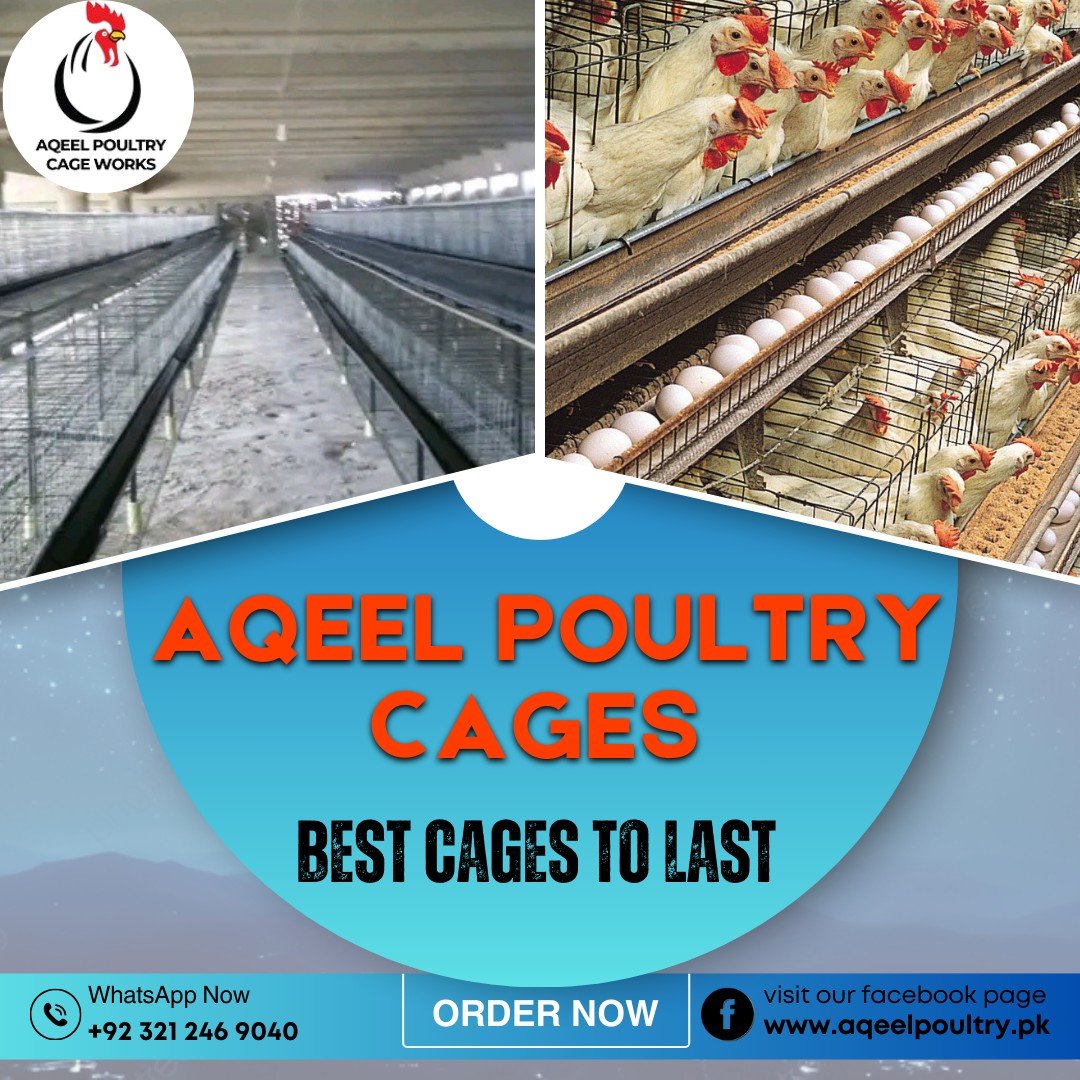
One of the primary reasons commercial poultry farms are shifting toward automated poultry cages is operational efficiency. Automated systems integrate feeding, drinking, manure removal, and egg collection into a streamlined workflow.
Research across commercial poultry operations consistently shows that automation reduces labor requirements while minimizing feed wastage. For farms facing labor shortages or increasing operational costs, this efficiency can significantly improve overall returns.
More importantly, automation allows farmers to maintain consistent management practices. Uniform feeding schedules and reliable water access contribute to healthier flocks and more stable egg production throughout the laying cycle.
Better Health and Welfare for Laying Hens
The performance of laying hens depends heavily on their environment. Well-designed layer cage systems help maintain cleaner living conditions by separating birds from manure, reducing exposure to harmful pathogens and parasites.
Proper ventilation and controlled stocking density also contribute to improved bird comfort. Healthier hens typically experience lower mortality rates and better feed conversion, both of which directly impact farm profitability.
Modern galvanized cage systems are designed to provide adequate access to feed and water while supporting natural bird behavior within a controlled production environment. When combined with good farm management practices, these systems can help maximize the productive lifespan of laying hens.
Maximizing Egg Quality and Reducing Losses
Egg quality is one of the most important indicators of farm performance. In conventional floor systems, eggs may be exposed to dirt, cracks, or contamination before collection. Layer cage systems significantly reduce these risks.
Most modern cage designs feature sloped floors that allow eggs to roll gently into collection channels immediately after laying. This not only protects shell quality but also improves hygiene standards.
For commercial producers supplying wholesalers, retailers, and supermarkets, maintaining consistent egg quality can strengthen customer trust and create opportunities for premium pricing.
Choosing the Right Layer Chicken Cage System
Selecting the appropriate cage system requires careful consideration of farm size, budget, and future expansion plans. Small and medium-scale farms often begin with semi-automated systems, while larger commercial operations increasingly invest in fully automated poultry cages.
Key factors include cage material quality, corrosion resistance, ventilation compatibility, manure management features, and overall system durability. Hot-dip galvanized cages are particularly popular in Pakistan because they withstand challenging environmental conditions and offer a longer service life.
Farmers should also evaluate supplier expertise, installation support, and after-sales service before making a purchasing decision.
The Future of Commercial Egg Farming in Pakistan
As Pakistan’s demand for eggs continues to rise, efficiency and biosecurity will become even more critical for poultry producers. Modern layer chicken cages provide a practical solution for meeting these challenges while supporting higher production standards.
For farmers seeking sustainable growth, improved flock management, and stronger profitability, investing in quality cage systems is no longer simply an upgrade—it is a strategic business decision. With the right infrastructure in place, poultry farms can improve productivity, maintain healthier laying hens, and remain competitive in an increasingly demanding market.
Commercial poultry production is becoming more technology-driven every year, and automated cage systems are leading that transformation. Farmers who embrace these advancements today are better positioned to achieve long-term success in Pakistan’s evolving poultry industry.