
Introduction:
In modern egg production, success depends on far more than flock size alone. Housing systems play a central role in bird health, feed efficiency, labor management, and overall profitability. This is why choosing the right layer cages design has become one of the most important decisions for poultry farmers across Pakistan. As commercial egg farming continues to expand, well-designed poultry cages are helping producers achieve higher productivity while maintaining better control over farm operations.
Why Layer Cage Design Matters
A layer cage system is more than a structure that houses birds. It is an integrated production environment designed to maximize efficiency throughout the laying cycle. The layout, dimensions, ventilation access, feeding arrangement, and manure management system all influence flock performance.
Research in commercial poultry production consistently shows that properly designed housing improves feed conversion, reduces egg breakage, and simplifies daily management. For farmers operating in Pakistan’s challenging climate conditions, a thoughtful cage design can also help reduce heat stress and improve bird comfort during warmer months.
Key Features of an Effective Layer Cages Design
The most successful chicken egg layer cages share several important characteristics. First, they provide adequate space for birds to move comfortably while maintaining optimal stocking density. Overcrowding can increase stress levels and negatively affect egg production.
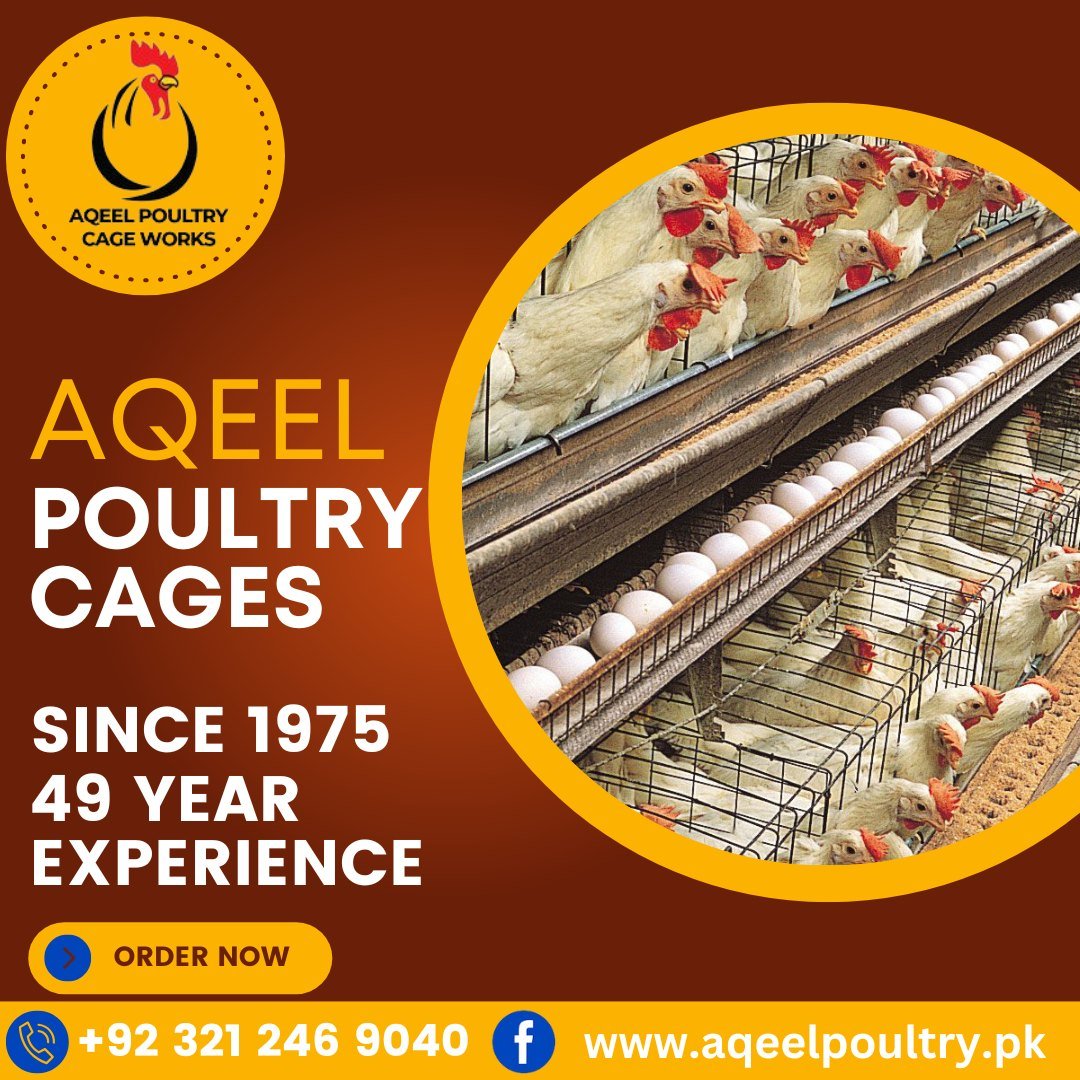
Modern cage systems also incorporate sloped flooring that allows eggs to roll gently into collection channels. This reduces contamination and minimizes losses caused by cracked eggs. High-quality galvanized steel construction further ensures durability, particularly in environments where humidity and ammonia exposure are common.
Equally important is the integration of feeding and watering systems. Automated distribution helps ensure uniform access to nutrition, resulting in more consistent flock performance.
The Shift Toward Automated Poultry Cages
Pakistan’s poultry sector is increasingly adopting automation to address labor shortages and improve operational efficiency. Automated poultry cages can include feeding systems, nipple drinkers, manure removal belts, and egg collection mechanisms.
While the initial investment may be higher, automation often reduces long-term operating costs. Farmers benefit from improved hygiene standards, reduced labor requirements, and more accurate management of large flocks. For medium and large-scale farms, these advantages can significantly improve profitability over time.
Improving Bird Health Through Better Housing
Healthy birds are productive birds. A well-designed cage system contributes to disease prevention by limiting direct contact with waste and maintaining cleaner living conditions. Proper airflow throughout the housing structure also supports respiratory health and reduces moisture buildup.
Many modern poultry cages are designed with ventilation considerations in mind, helping maintain stable environmental conditions throughout the year. This becomes particularly valuable during Pakistan’s hot summers, when heat stress can severely impact egg production.
Choosing the Right System for Your Farm
There is no universal cage solution suitable for every operation. The ideal system depends on farm size, production goals, available budget, and future expansion plans. Small and growing farms may prioritize affordability and simplicity, while larger commercial operations often benefit from fully automated solutions.
Farmers should also evaluate construction quality, after-sales support, and spare parts availability before making a purchasing decision. Investing in reliable equipment from experienced suppliers often delivers better long-term returns than selecting lower-cost alternatives.
The Future of Egg Production in Pakistan
As poultry farming becomes increasingly technology-driven, cage design will continue to influence farm performance. Innovations in automation, environmental control, and resource management are creating new opportunities for producers to increase efficiency while maintaining high production standards.
For poultry farmers aiming to strengthen competitiveness and profitability, investing in a modern layer cages design is not merely an infrastructure upgrade. It is a strategic decision that directly impacts productivity, bird welfare, and the long-term success of the business.