
Introduction:
Chicken health is the foundation of every successful poultry business. Whether managing a small layer farm or a large commercial operation, disease outbreaks can quickly reduce productivity, increase mortality, and damage profitability. In Pakistan’s growing poultry sector, understanding disease in chicken populations has become more important than ever as farmers face challenges ranging from bacterial infections to viral outbreaks and environmental stress.
While vaccination and veterinary care remain essential, housing systems play a major role in preventing disease. Modern poultry cages have emerged as an effective solution for improving flock health, enhancing biosecurity, and reducing the risk of infection.
Why Disease Prevention Matters in Commercial Poultry Farming
A disease outbreak affects more than the health of individual birds. It can significantly reduce egg production, increase feed conversion costs, and create long-term economic losses. Common poultry diseases such as Newcastle disease, infectious bronchitis, coccidiosis, and fowl cholera spread rapidly when birds are exposed to contaminated environments.
Research consistently shows that disease prevention is more cost-effective than treatment. Farms that prioritize sanitation, environmental control, and proper housing often experience lower mortality rates and more stable production performance throughout the year.
The Connection Between Housing and Bird Health
The environment in which chickens live directly influences their susceptibility to disease. Traditional floor systems can expose birds to manure accumulation, excessive moisture, and direct contact with pathogens. These conditions create ideal environments for bacteria, parasites, and harmful microorganisms.
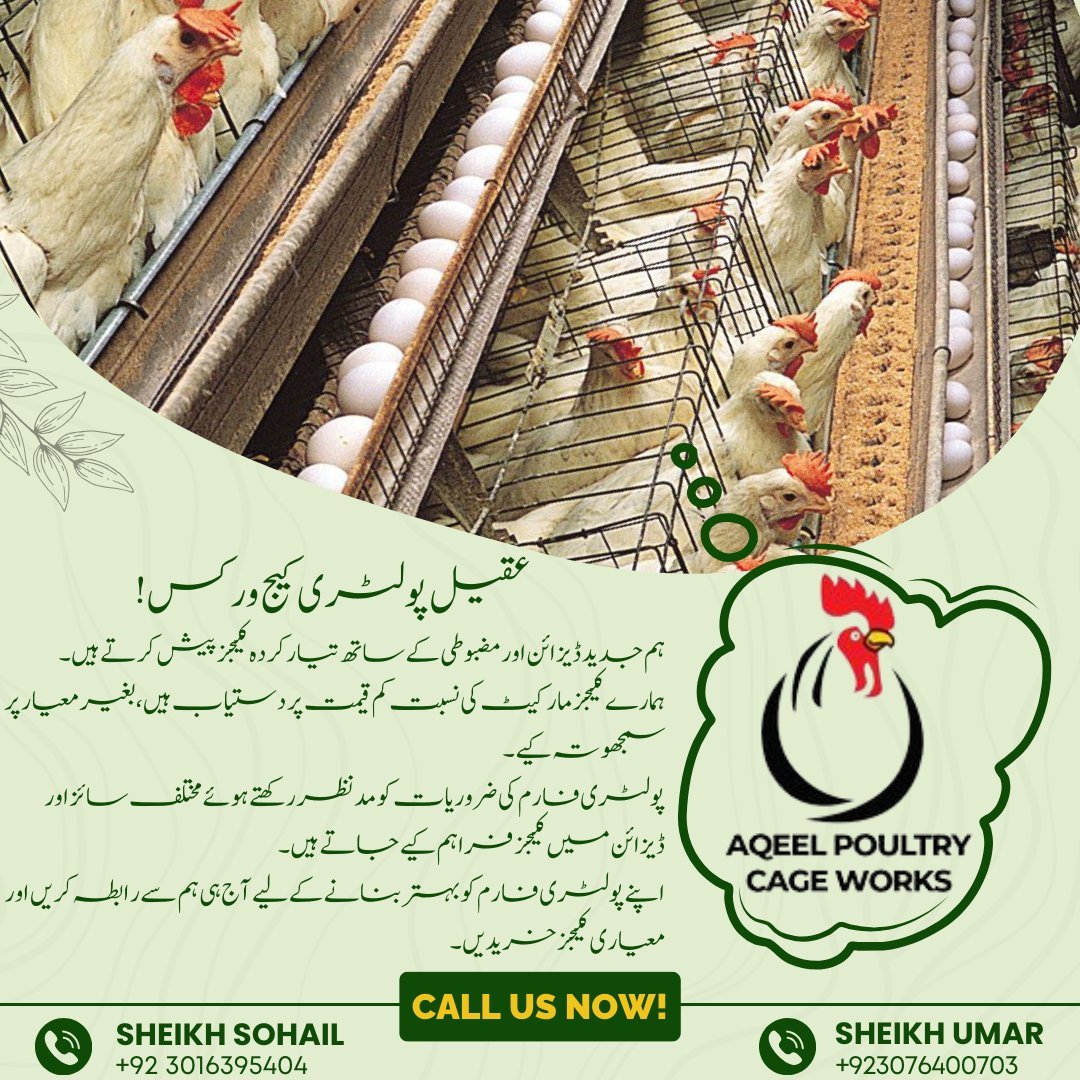
Modern poultry cages help break this cycle by separating birds from waste. Improved manure management reduces pathogen exposure and creates a cleaner environment that supports healthier flocks. Better organization also allows farmers to monitor bird behavior and identify health issues before they spread throughout the flock.
How Poultry Cages Reduce Disease Risks
One of the greatest advantages of modern poultry cages is improved biosecurity. Birds housed in organized cage systems have less direct contact with contaminated litter and fewer opportunities for disease transmission.
Advanced cage designs also improve airflow within poultry houses. Proper ventilation helps reduce humidity levels, ammonia buildup, and airborne contaminants that can contribute to respiratory diseases. In Pakistan’s diverse climate conditions, effective ventilation becomes especially important during hot and humid seasons when disease pressure often increases.
Early Detection Becomes Easier
Disease management depends heavily on early identification. When birds are housed in well-designed cage systems, farmers can more easily observe feed consumption, egg production, movement patterns, and overall condition.
Small changes in behavior often serve as early warning signs of illness. Detecting these signals quickly allows farmers to isolate affected birds, seek veterinary guidance, and prevent wider outbreaks. This proactive approach significantly improves flock health outcomes.
Choosing Quality Chick Cages for Sale
Investing in reliable chick cages for sale is not simply a housing decision; it is a long-term health management strategy. High-quality systems are designed with durability, hygiene, and bird welfare in mind. Features such as corrosion-resistant materials, efficient waste removal systems, and optimized feeding arrangements contribute to healthier growing conditions.
Farmers should evaluate cage designs based on ease of cleaning, ventilation support, stocking density, and overall management efficiency rather than focusing solely on initial purchase cost.
Building a Healthier Poultry Business
Successful poultry farming requires a combination of good management practices, vaccination programs, nutrition, and proper housing infrastructure. Modern poultry cages provide an important layer of protection by minimizing disease exposure and supporting better flock monitoring.
As Pakistan’s poultry industry continues to modernize, farms that invest in preventive health measures will be better positioned to improve productivity, maintain consistent egg production, and protect their long-term profitability. Disease control begins with daily management decisions, and the right housing system remains one of the most valuable investments a poultry farmer can make.