

Introduction:
Pakistan’s poultry sector has evolved dramatically over the last two decades, driven by rising demand for affordable protein and the need for greater production efficiency. Among the innovations reshaping the industry, the battery cage system poultry model has become one of the most widely adopted solutions for commercial egg production. For farmers seeking higher productivity, better flock management, and improved profitability, understanding modern housing and equipment systems is no longer optional—it is essential.
Why Battery Cage Systems Have Become the Industry Standard
Traditional floor-based poultry housing requires significant labor, larger land areas, and intensive flock monitoring. In contrast, battery cage systems are designed to maximize space utilization while allowing farmers to manage thousands of birds more efficiently.
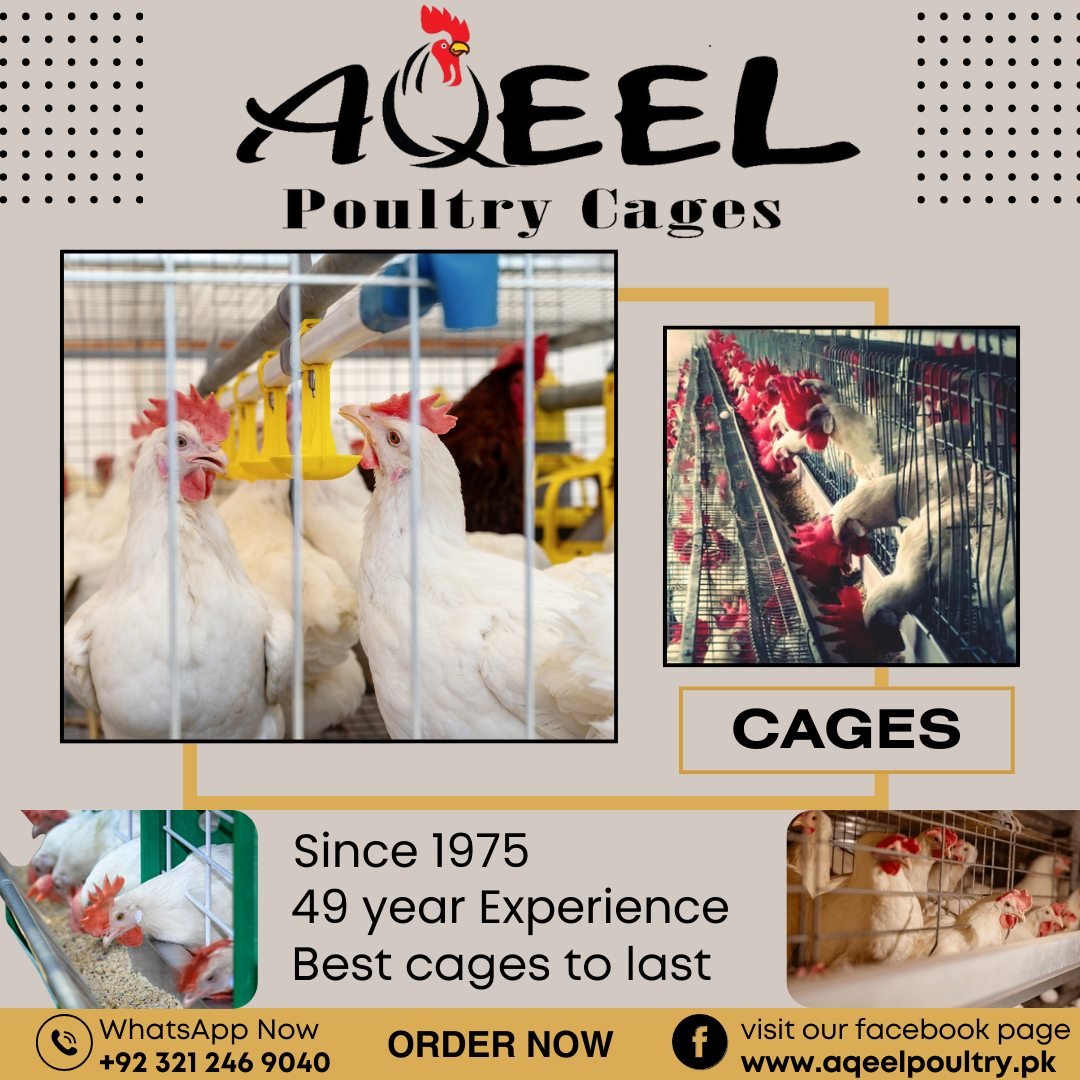
Each cage compartment provides a controlled environment where hens have easy access to feed and water while eggs roll gently onto collection trays. This design reduces egg breakage, minimizes contamination, and improves overall flock supervision. For commercial farms operating under tight margins, these efficiencies can translate into substantial financial gains over the lifespan of a flock.
Understanding What Time of the Day Chickens Lay Eggs
One of the most common questions among new poultry farmers is: what time of the day do chickens lay eggs?
Most layer hens lay eggs during the morning hours, typically between sunrise and early afternoon. Egg-laying is influenced by light exposure, nutrition, genetics, and flock health. Commercial farms often use carefully managed lighting programs to maintain consistent laying schedules and optimize production throughout the year.
Because the majority of eggs are produced before midday, efficient collection systems are critical. Modern cage systems help ensure eggs are gathered quickly, reducing the risk of damage and maintaining better hygiene standards.
The Role of Layer Poultry Farming Equipment
Successful egg production depends on more than just quality birds. Modern layer poultry farming equipment plays a vital role in maintaining productivity and flock welfare.
Automated feeding systems ensure uniform feed distribution, while nipple drinkers provide clean water with minimal waste. Manure removal systems improve sanitation and reduce ammonia buildup inside poultry houses. Many commercial farms are also adopting automated egg collection systems that save labor and improve operational efficiency.
When integrated properly, these technologies create a more controlled production environment that supports healthier birds and better egg yields.
Constructing a Chicken House for Long-Term Success
The foundation of every profitable poultry operation begins with constructing a chicken house that supports ventilation, biosecurity, and efficient management.
In Pakistan’s climate, poultry houses must be designed to handle extreme summer temperatures while maintaining adequate airflow. Proper orientation, insulation, and ventilation systems help reduce heat stress, which directly affects egg production.
Farmers should also consider future expansion when designing facilities. Investing in a well-planned structure from the beginning can significantly reduce renovation costs and operational disruptions later.
Economic Benefits for Pakistani Poultry Farmers
The financial advantages of modern cage systems extend beyond increased egg production. Reduced feed wastage, lower labor requirements, improved disease control, and better egg quality contribute to stronger farm profitability.
As feed costs continue to represent the largest operating expense for poultry producers, systems that improve feed efficiency can create a meaningful competitive advantage in the market.
The Future of Layer Farming in Pakistan
The future of commercial egg production lies in technology-driven farming practices. As consumer demand grows and production costs rise, farmers will increasingly rely on advanced housing systems and automation to remain competitive.
For poultry businesses aiming to scale operations sustainably, investing in modern battery cage systems and high-quality equipment is a strategic decision that delivers long-term value.