
Introduction:
Pakistan’s poultry industry continues to expand as demand for affordable, high-quality eggs rises across urban and rural markets. For commercial poultry farmers, maximizing productivity while controlling costs has become increasingly important. This is where layer cages have transformed modern poultry operations. Designed to improve bird management, egg collection, hygiene, and farm efficiency, layer cage systems are now considered an essential component of profitable egg production.
Whether you are establishing a new poultry farm or upgrading an existing setup, understanding the benefits of modern cage systems can help you make a more informed investment decision.
Why Layer Cages Are Becoming the Industry Standard
Traditional floor-rearing methods require significant labor, space, and ongoing maintenance. In contrast, layer cages provide a structured environment where hens can be monitored more effectively. Farmers gain better control over feeding, watering, disease management, and egg collection.
Modern cage systems are engineered to maximize available floor space, allowing farms to house more birds without compromising management efficiency. This increased capacity directly contributes to higher productivity and improved profitability, particularly for commercial egg producers operating at scale.
Improved Egg Production and Quality
One of the primary advantages of using layer cages is their positive impact on egg production. Birds housed in organized cage systems experience less competition for feed and water, resulting in more consistent growth and laying performance.
Additionally, eggs produced in cage systems are generally cleaner because they roll directly into collection trays rather than coming into contact with litter or manure. Cleaner eggs reduce breakage, minimize contamination risks, and enhance market value.
For poultry businesses supplying retailers, wholesalers, and distributors, maintaining consistent egg quality is essential for long-term success.
Better Farm Hygiene and Disease Control
Disease outbreaks remain one of the biggest challenges facing poultry farmers in Pakistan. Proper biosecurity measures are easier to implement when birds are housed in structured cage systems.
Layer cages separate birds from accumulated waste, reducing exposure to harmful bacteria and parasites. Improved ventilation and cleaner living conditions contribute to healthier flocks and lower mortality rates.
A healthier flock not only improves production performance but also reduces veterinary expenses and treatment costs, creating a more sustainable business model over time.
Understanding Chicken Hen Cage Systems
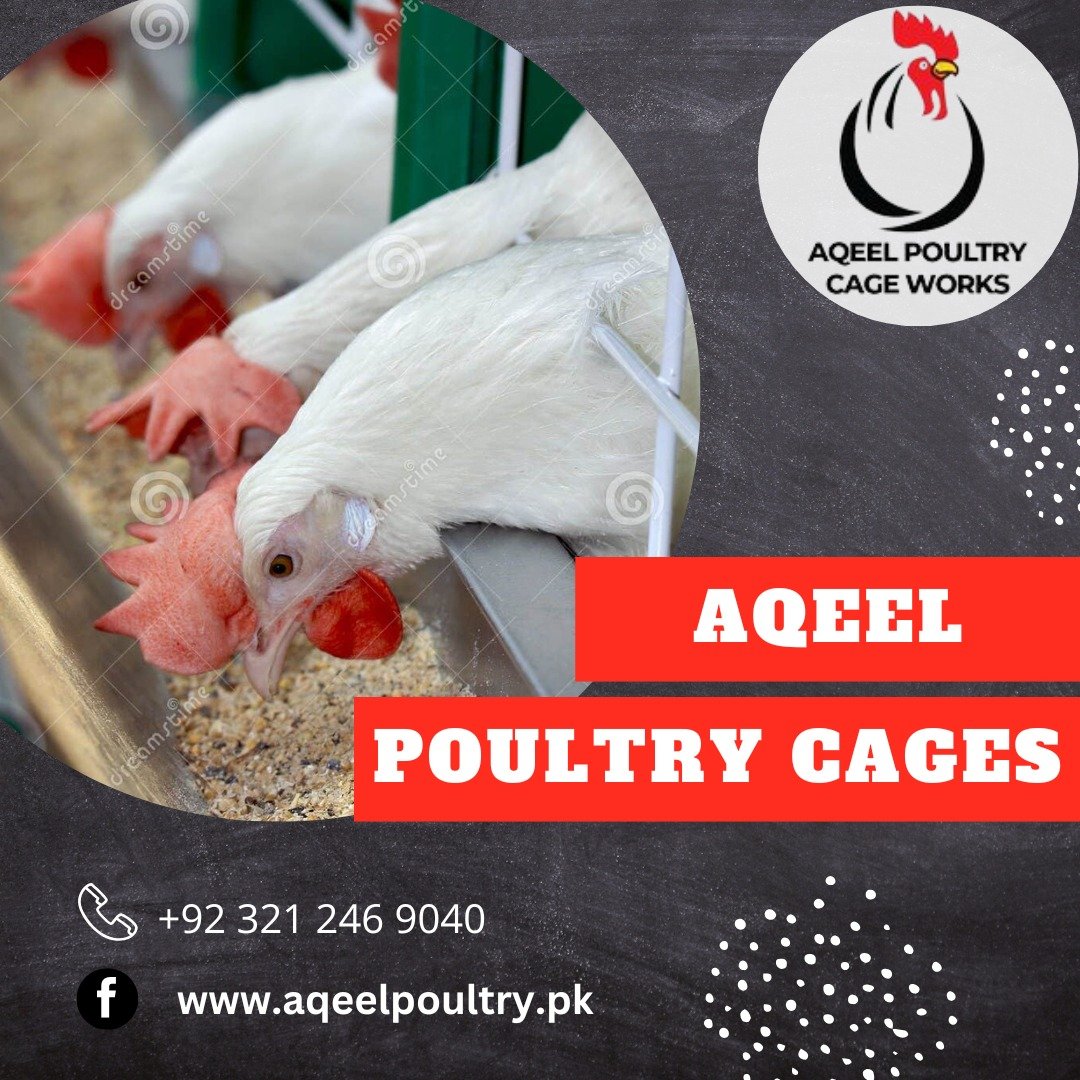
A chicken hen cage is specifically designed for egg-laying birds and includes dedicated feeding channels, drinking systems, and egg collection mechanisms. These cages are available in various configurations to accommodate different farm sizes and production goals.
Small and medium-scale farms often choose manual systems due to their affordability, while larger commercial operations increasingly invest in automated feeding, manure removal, and egg collection technologies. The right solution depends on farm capacity, labor availability, and long-term expansion plans.
How Broiler Chicken Cage Systems Differ
While layer cages focus on egg production, a broiler chicken cage is designed for meat-producing birds. Broiler cage systems emphasize efficient growth, feed conversion, and space utilization.
Many commercial poultry businesses operate both layer and broiler units. Understanding the differences between these systems allows farmers to select equipment tailored to their production objectives. Investing in purpose-built housing ultimately leads to better flock performance and improved operational efficiency.
Choosing Chicken Layer Cages for Sale in Pakistan
When evaluating chicken layer cages for sale, farmers should focus on build quality, durability, ventilation design, and ease of maintenance. High-quality galvanized steel cages offer superior resistance to corrosion and can withstand Pakistan’s varying climate conditions.
It is also important to consider future expansion requirements. A cage system that supports scalability allows poultry businesses to increase production without major infrastructure changes. Partnering with an experienced poultry equipment supplier ensures access to reliable products, technical support, and long-term value.
The Future of Poultry Farming
As Pakistan’s poultry sector becomes increasingly competitive, efficiency and productivity will continue to determine profitability. Modern layer cage systems provide farmers with a practical solution for improving egg production, maintaining flock health, and reducing operational costs.
For poultry entrepreneurs looking to strengthen their business, investing in high-quality layer cages is more than an equipment purchase—it is a strategic decision that supports sustainable growth and long-term success in the evolving poultry industry.